


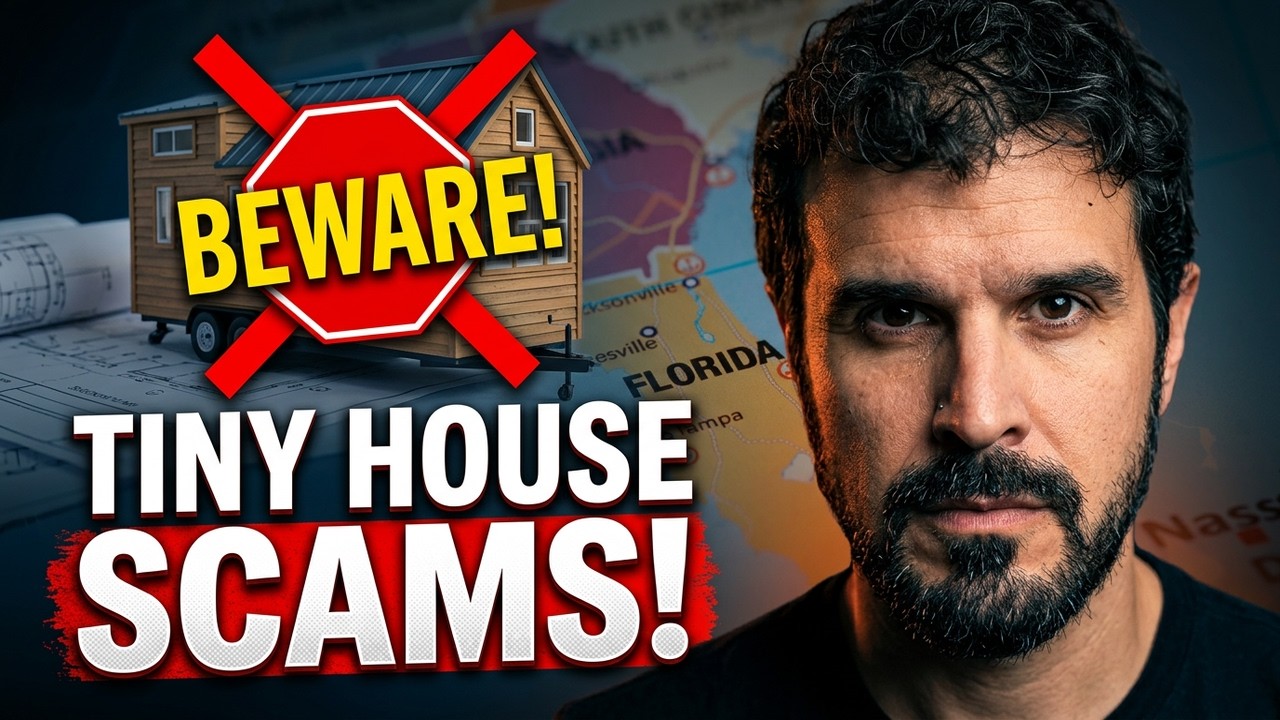
A lot moved in the tiny house world this week. Virginia just changed its ADU law in a way that housing advocates are calling a national blueprint. Georgia and Florida both have significant legislation in motion. Tariffs are quietly raising build costs. Fraud is surging in Florida. And the Veterans Community Project is posting an 85% success rate moving homeless veterans into permanent housing. Here's the full breakdown.
Virginia: The ADU Law That Could Be a National Template
Virginia Governor Abigail Spanberger signed a law that, when it takes effect July 1st, 2027, will require local governments to permit ADUs by right in single-family zones. Permit fees are capped at $500. Large setback requirements are blocked. And the previous rule requiring the ADU occupant to be a family member is gone — meaning you can now rent to anyone.
That last point is the one that changes the economics. The family member requirement was one of the most effective quiet barriers against backyard ADUs being used as rental income. Removing it turns an ADU from a housing option into a genuine financial asset for homeowners. Housing advocates are already calling this a blueprint for other states, and it's hard to argue with that framing.
Georgia and Florida: Legislation Worth Watching
Georgia's House Bill 1166 has cleared a House committee and is now headed to the Rules Committee, then potentially a floor vote. If it passes, it would override local zoning restrictions statewide and allow homeowners to build tiny homes of 400 square feet or smaller in most single-family backyards. Georgia would effectively become one of the most permissive states in the Southeast for tiny home ADUs overnight. This one is moving — watch it closely.
Florida's Senate Bill 48 would go even further statewide, requiring every county and municipality to adopt an ordinance allowing ADUs in all single-family residential areas by December 1st, 2026. The patchwork of local decisions that currently governs ADU permissibility across Florida — where some counties are open and others are not — would be replaced by a uniform statewide standard. For a state the size of Florida, that's a significant shift.
Texas SB 2413 has also clarified the legal framework for tiny home communities specifically, making it easier for developers to establish dedicated tiny home parks. Texas was already among the more accommodating states on this front. This legislation makes that position more formally established.
Tariffs: The Build Cost Story Nobody Is Talking About
Current tariffs on lumber, copper, steel, and cabinets are hitting tiny home builders in ways that aren't getting much coverage. These are the core materials of any build, and the cost increases are real and significant. Builders are absorbing what they can and passing the rest on — which means anyone budgeting a build right now needs to be working from current quotes, not figures from six months ago.
The irony is that the same economic pressure driving up build costs is also pushing more people toward tiny homes as an affordable housing option. Demand is rising at the same time costs are increasing. For buyers, that means getting the budget right matters more than ever before starting a project.
Florida Fraud: Share This With Anyone Shopping for a Tiny Home
This one needs to be said clearly. Online tiny house fraud is surging. A news investigation in Florida found scammers stealing photos directly from legitimate manufacturers — including Melbourne-based builder Movable Roots, who confirmed their images are being used in fake listings — and posting them to deceive buyers out of thousands of dollars. One documented victim paid everything she had for a home that was never delivered.
It happens often enough that a dedicated Facebook group now exists solely to expose known tiny house scammers, with hundreds of members and an active list of bad actors. If you or anyone you know is shopping for a tiny home online, verify the builder is real before sending any money. Call them, visit in person if possible, check reviews independently, and never send a deposit to someone you can't verify through multiple channels.
Veterans Housing: The Number Worth Remembering
In Fayetteville, North Carolina, the non-profit Re-Deploying American Veterans just received city approval to break ground on the city's first tiny home village specifically for homeless veterans. Six one-bedroom homes, fully furnished, with mental health support and job training included.
The wider context: veterans make up less than 10% of North Carolina's population but account for nearly one fifth of the state's homeless population. The tiny home model is one of the most effective responses to this specific problem.
The Veterans Community Project, operating out of Kansas City, provides 240-square-foot tiny homes to homeless veterans at zero rent, with an average stay of 335 days during which residents work through a case management program covering mental health, job training, and financial planning. Their success rate — veterans who move on to stable permanent housing — is 85%. The organisation runs on only 5% federal funding, which has allowed it to keep expanding even as comparable federal programs have pulled back. It's now growing into Wisconsin and Arizona.
What to Watch in the Coming Weeks
Georgia's HB 1166 floor vote is the most consequential near-term event to track. If it passes, the Southeast landscape for tiny home ADUs changes substantially and quickly.
Seattle is in the middle of a political fight over expanding tiny home village capacity, with proposed amendments that would require formal public safety plans and give neighbourhood advisory committees real input. How that debate resolves could become either a workable model or a cautionary tale for other cities navigating similar tensions between housing need and neighbourhood opposition.
The financing gap is also worth watching. Tiny homes on wheels depreciate like vehicles, not real estate — they don't qualify for conventional 30-year mortgages, which pushes buyers into personal loans, RV loans, or hard money lending at higher rates and shorter terms. As tiny homes become more mainstream, the pressure on lenders and legislators to create better financing pathways is building. This conversation is likely to get significantly louder in the second half of 2026.
If there's a story moving in your state — a zoning fight, a new community, a law in your legislature — drop it in the comments below.
Join the Community
Stay Ahead of What's Changing
Zoning laws, build costs, financing — the tiny house landscape is shifting fast. Subscribe for weekly updates on what matters most to builders, buyers, and tiny living enthusiasts.
No spam. Just thoughtful tiny living tools.
.png)

