


The tiny house movement sounds good on paper. Downsize, save money, live simply. But the gap between the Instagram aesthetic and the legal...
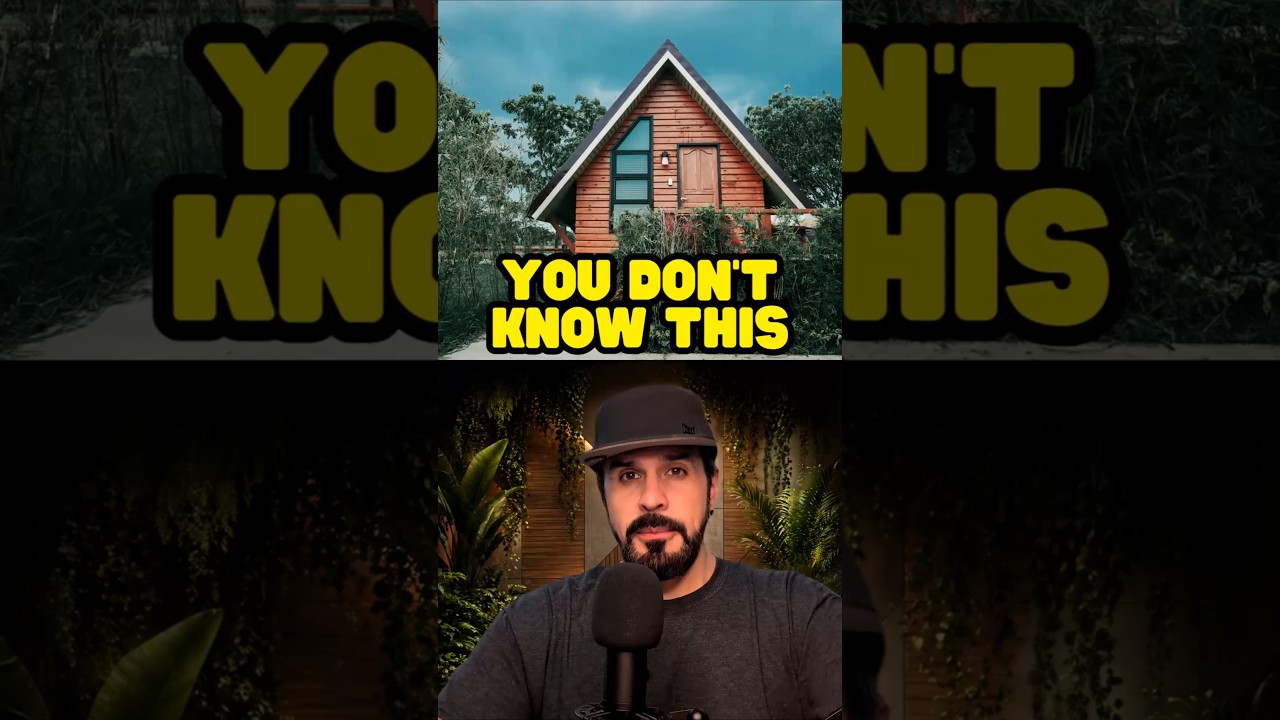 The tiny house movement sounds good on paper. Downsize, save money, live simply. But the gap between the Instagram aesthetic and the legal reality is wider than most people think.
The Zoning Problem No One Talks About
Most cities in the U.S. don't allow tiny houses as permanent residences. Minimum square footage requirements exist in thousands of municipalities, and they weren't written with 400-square-foot homes in mind. You can build one. You can park one. But living in it full-time? That depends entirely on where you are and how the local code defines a dwelling. Some places classify tiny homes on wheels as RVs, which means you're subject to campground rules and time limits. The romantic idea of parking your tiny house anywhere quickly runs into the reality of property zoning, utility hookups, and neighbor complaints.The Cost Isn't What You Think
Tiny houses are marketed as affordable. And compared to a traditional home, sure. But the per-square-foot cost is often higher than conventional construction. Custom builds, specialty materials, and the logistics of making everything fit into a compact footprint add up. You're not buying mass-produced efficiency. You're buying bespoke minimalism, and that comes with a premium. Then there's land. Unless you own property or know someone who does, you're paying rent somewhere. The house might be tiny, but the monthly costs don't disappear.Financing and Resale Are Messy
Banks don't love tiny houses. If it's on wheels, it's not real estate. If it's not real estate, you're not getting a mortgage. You're looking at personal loans, RV loans, or paying cash. Resale is equally tricky. The market for used tiny homes is thin. You're selling to a niche audience, and depreciation hits hard if the build quality isn't there. The dream is mobility and freedom, but the financial infrastructure treats you more like someone who bought a very expensive trailer than someone who invested in property.It Works, But Not for Everyone
Tiny houses work for specific people in specific situations. Remote workers with flexible income. Retirees looking to downsize on their own terms. People with land and a high tolerance for DIY problem-solving. But the movement oversells the accessibility. It's not a housing solution that scales, and it's not a shortcut around the structural cost of living in most places. If you're drawn to the idea, go in with your eyes open. The lifestyle is real, but so are the zoning laws, the financing gaps, and the reality that small living isn't always cheap living.More where that came from
Real Talk on Housing and Economics
Economy. Policy. The numbers behind the headlines - from the outside looking in.
Subscribe on YouTube.png)

